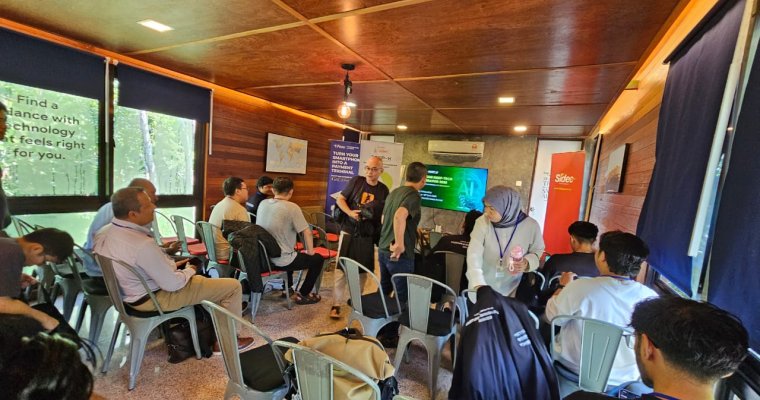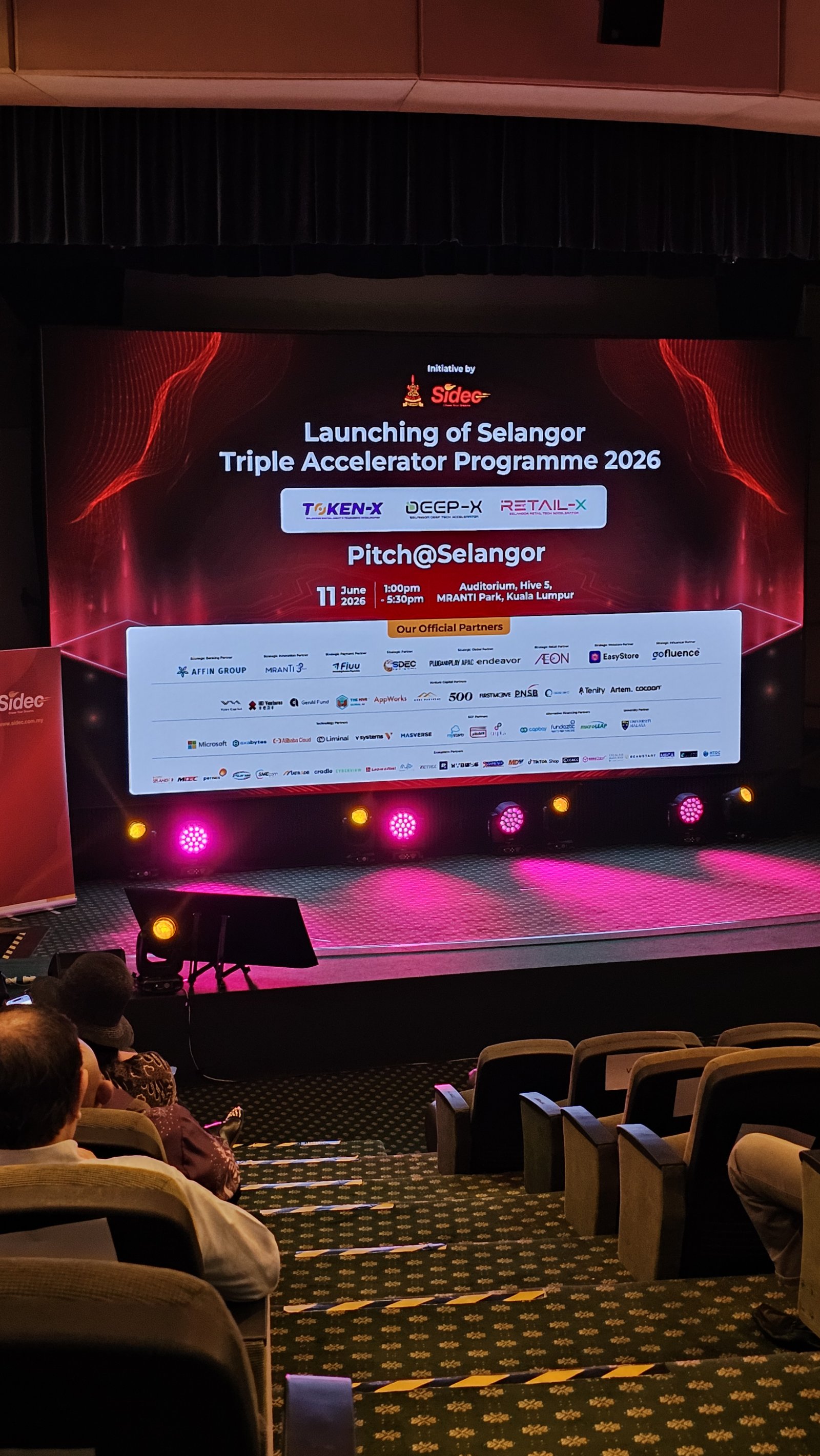
On 11 June 2026, the team behind Curasix, built by NX Fort, took our seat at the launch of the Selangor Triple Accelerator Programme 2026. This is the Pitch@Selangor initiative run by the Selangor Information Technology & Digital Economy Corporation (SIDEC). The programme spans three tracks: Token-X, Deep-X and Retail-X. It brought together some of the most ambitious founders building in Malaysia today, and we are proud that Curasix has been selected into the Deep-X deep-tech cohort.
For us, this is more than a milestone to celebrate. It is a signal of where Malaysian healthcare technology is heading, and why clinical software deserves to be discussed in the same breath as semiconductors, robotics and frontier AI.
A deep-tech cohort, and why healthtech is in it
Deep-X is not a generalist startup programme. Over twelve weeks, it focuses on ventures building genuinely hard technology: artificial intelligence, semiconductors, biotech, robotics, net-zero sustainability and healthtech. The fact that healthtech sits on that list is itself the story. Clinic management has too often been treated as back-office plumbing, just appointment books, billing screens and a place to store records. The Deep-X thesis says something different. It treats applying AI to the daily reality of a clinic as a deep-technology problem, one worth solving with the same rigour as any other.
That is exactly the bet Curasix has made. Malaysian clinics run on thin margins and even thinner time. On top of seeing patients, doctors carry the cognitive load of documentation, coding, panel claims and LHDN e-invoicing. The opportunity is not to digitise the paperwork. It is to remove it.
Architecting the intelligent economy, from the clinic up
One of the Deep-X modules is titled Architecting the Intelligent Economy, and the phrase captures something we believe deeply. An intelligent economy is not built only in data centres and chip fabs. It is built in the thousands of everyday institutions, the GP clinics, the specialist practices and the panel networks, where intelligence either reaches the front line or it does not.
Curasix is our attempt to push AI all the way to that front line. It is an AI doctor assistance layer that drafts clinical documentation, a system that understands Malaysian panel payments and claims, and it comes with built-in LHDN e-invoice readiness, so compliance becomes a by-product of normal work rather than a separate chore. When a doctor finishes a consultation and the paperwork is already done, that is the intelligent economy doing its job.
What we are taking into the next twelve weeks
Accelerators are valuable not for the demo day at the end, but for the pressure they apply in the middle. Over the coming weeks, the cohort will work through modules on scaling, technical validation and investor readiness, with mentorship and cloud resources behind it. For Curasix, three questions will guide how we use that time:
- Depth before breadth. The hardest problems in clinic software are clinical, not cosmetic. We want our AI to be measurably useful inside a real consultation, not just impressive in a pitch.
- Built for Malaysia, not adapted to it. Panel claims, PDPA, LHDN e-invoicing and the rhythm of a Malaysian clinic are not edge cases for us. They are the design centre.
- Trust as a feature. In healthcare, adoption follows confidence. Security, data residency and clinician control are part of the product, not an afterthought.
Thank you, and what comes next
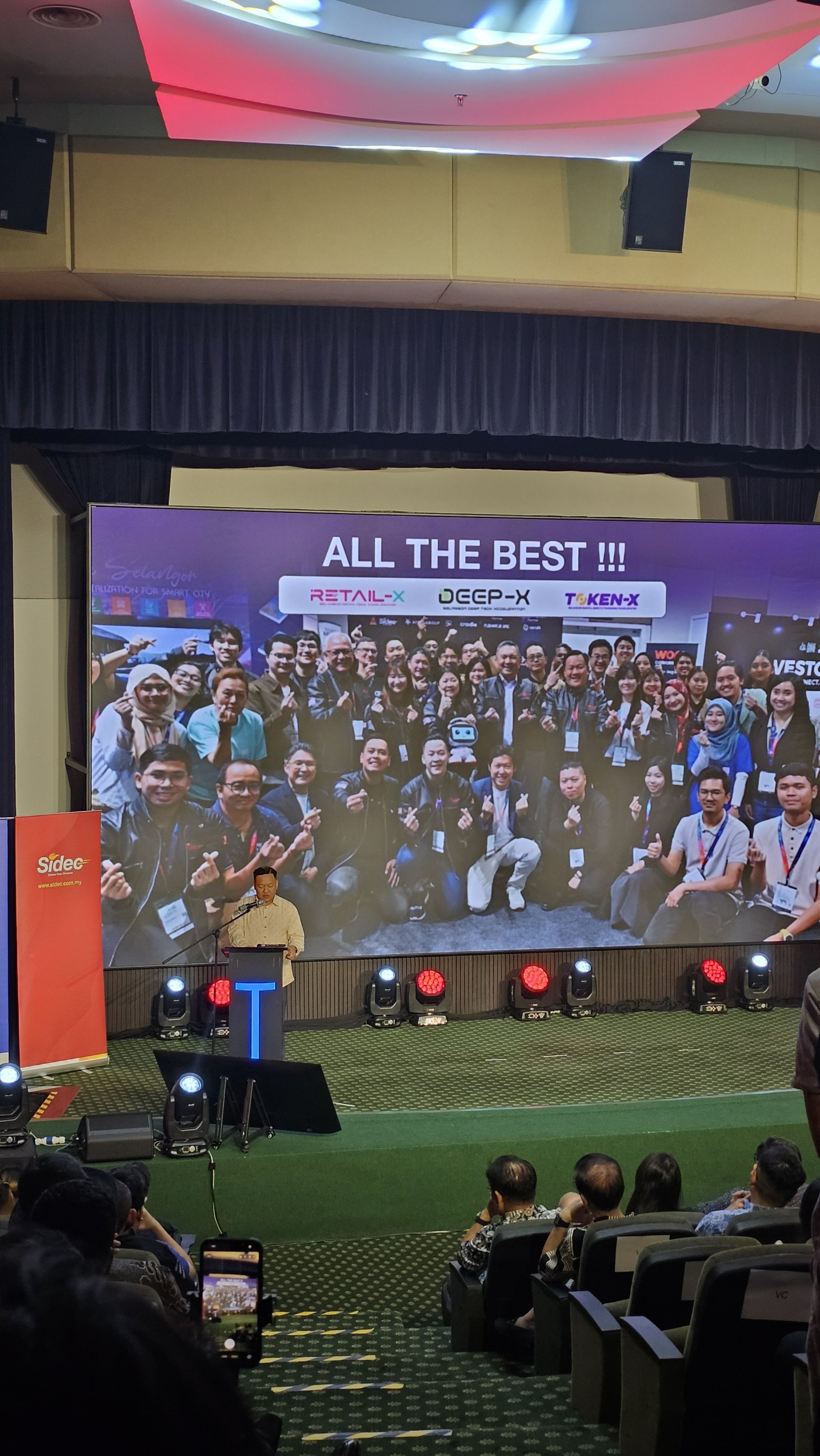
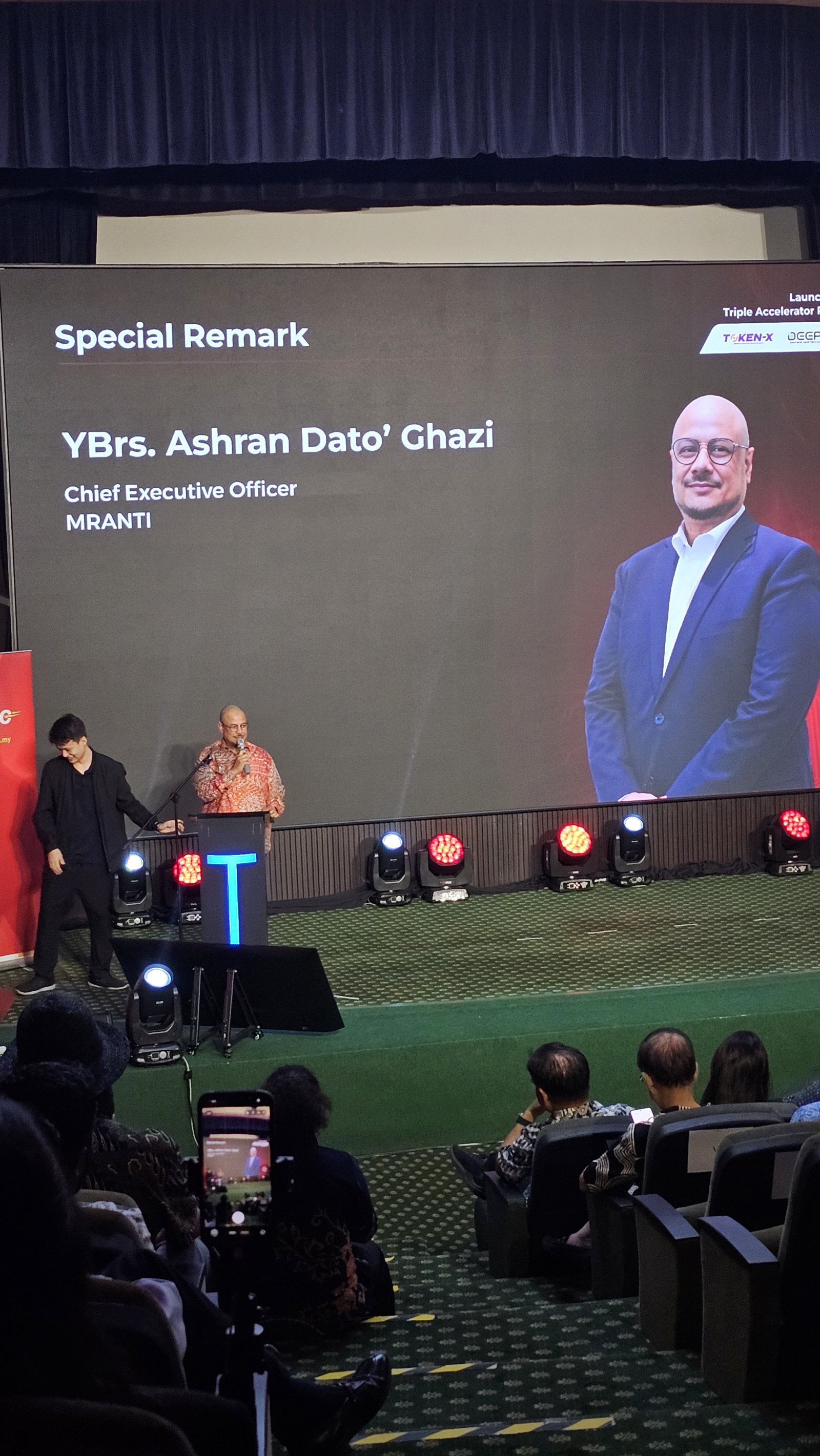
Our thanks to SIDEC for building a programme that takes deep tech seriously, to MRANTI for hosting and championing the ecosystem, and to the partners and fellow founders who made the launch what it was. Being selected into Deep-X is an endorsement of a simple idea, that Malaysian healthcare deserves software built with frontier ambition.
We will be sharing what we learn along the way. If you run a clinic and want to see where AI-driven clinic management is heading, we would love to show you.